Contracts are no longer just legal documents signed and stored away after execution. They influence revenue, supplier relationships, customer commitments, compliance requirements, procurement activities, and day-to-day business operations. Every department, from legal and procurement to finance, sales, and operations, relies on accurate contract information to make informed decisions and fulfill business obligations.
As organizations grow, managing contracts through emails, spreadsheets, and shared folders becomes increasingly difficult. Teams often struggle with scattered documents, missed renewal dates, approval bottlenecks, outdated contract versions, and limited visibility into active agreements. This is why businesses across industries are investing in stronger contract tracking processes and Contract Lifecycle Management (CLM) solutions. Effective contract tracking helps organizations stay on top of obligations, approvals, renewals, and contractual commitments while improving collaboration, reducing risk, and increasing operational efficiency.
In this article, we’ll explore what contract tracking is, why it matters, and the industries that depend on it most for growth and business performance.
What is contract tracking?
Contract tracking is the process of monitoring agreements throughout their lifecycle to ensure important milestones, obligations, approvals, amendments, renewals, and expiration dates are properly managed.
Businesses use contract tracking to maintain visibility into:
- Contract creation and approval status
- Renewal and expiration dates
- Supplier and customer obligations
- Compliance requirements
- Contract amendments and revisions
- Payment milestones and deliverables
- Approval histories and audit trails
Without a structured contract-tracking process, organizations often face missed deadlines, delayed approvals, compliance gaps, and difficulty locating important contract information when it is needed most.
As contract volumes increase, many businesses adopt Contract Lifecycle Management to automate tracking and improve visibility throughout the contract lifecycle.
Benefits of effective contract tracking
Regardless of industry, effective contract tracking delivers measurable business benefits.
- Greater contract visibility
Teams can quickly view contract statuses, obligations, renewal timelines, and important milestones without having to search across different systems, folders, or lengthy email conversations.
- Improved compliance and risk management
Organizations can proactively monitor obligations, identify compliance requirements, and address potential issues before they become business risks.
- Faster collaboration and approvals
Structured workflows help eliminate bottlenecks by ensuring contracts reach the right stakeholders for review and approval at the right time.
- Better renewal management
Automated reminders and centralized visibility help businesses avoid missed renewals, unwanted auto-renewals, and revenue disruptions.
-
Increased operational efficiency
Reducing manual tracking allows legal, procurement, finance, and operations teams to spend less time on administrative tasks and more time on strategic priorities.
As businesses scale, these benefits become increasingly important for maintaining control over growing contract volumes.
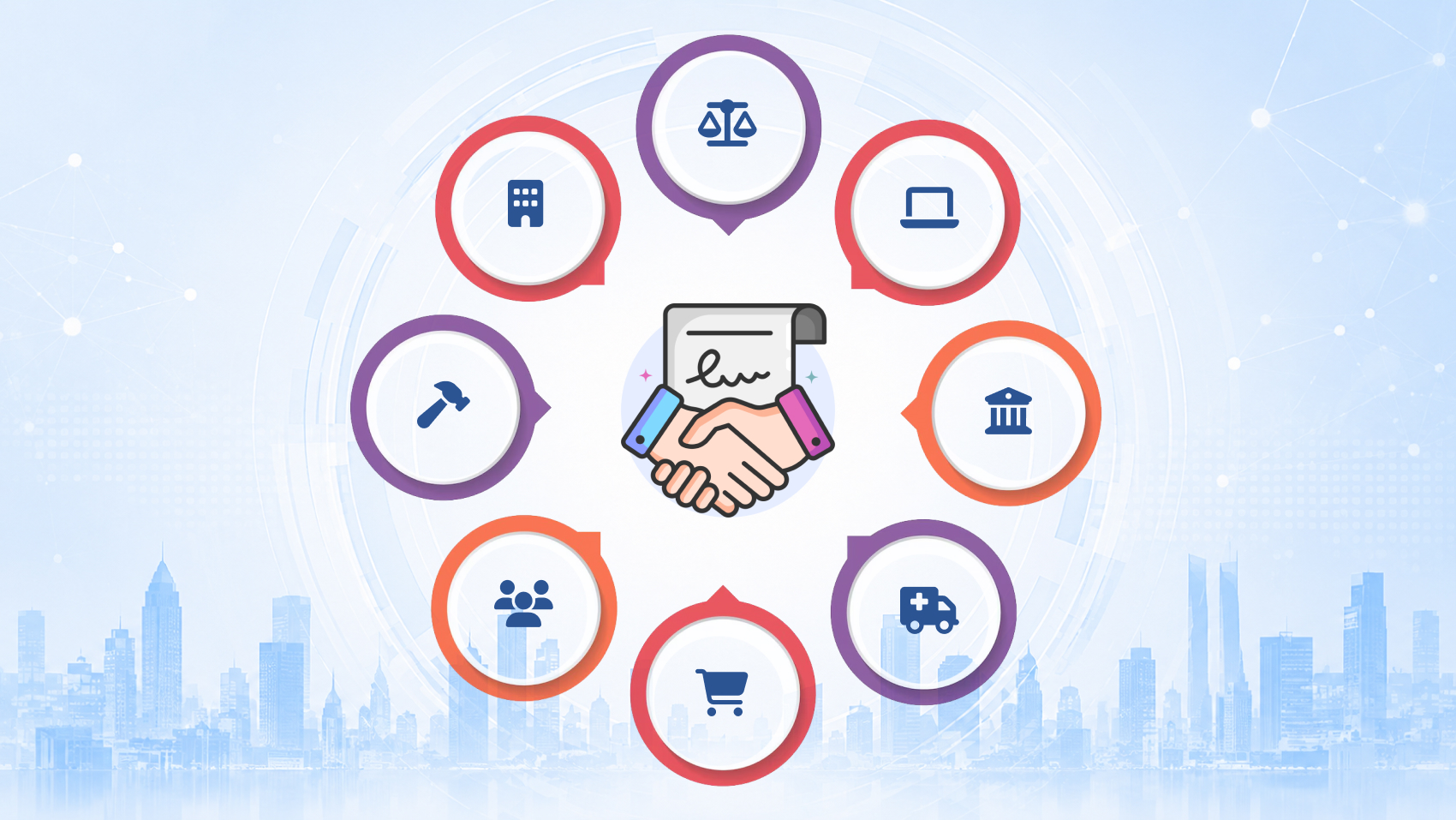
- Legal departments and law firms
Legal teams sit at the center of contract management. Every day, they manage client agreements, vendor contracts, settlement agreements, compliance documentation, and internal approvals while coordinating with stakeholders across multiple departments.
As agreement volumes grow, legal professionals frequently encounter challenges such as contract review bottlenecks, manual redlining, approval delays, version-control issues, and difficulty tracking obligations after execution. Managing multiple versions across legal, procurement, finance, sales, and external stakeholders can quickly become overwhelming without structured processes.
A missed revision, an outdated clause, or delayed approval can increase legal risk and slow business operations. Effective contract tracking improves visibility throughout the contract lifecycle, strengthens compliance, reduces administrative effort, and supports more efficient legal operations.
Modern legal teams increasingly use contract management software, AI-assisted contract review, contract workflow automation, and centralized repositories to streamline processes and focus on higher-value legal work.
- IT and SaaS companies
Technology and SaaS companies rely heavily on contracts throughout the customer lifecycle. Subscription agreements, software licensing contracts, service-level agreements (SLAs), vendor contracts, and partnership agreements directly affect recurring revenue, customer retention, and business growth.
A missed renewal can result in lost recurring revenue, while outdated service commitments may create customer disputes or support challenges. Delayed approvals can slow down onboarding, implementation projects, and account expansion opportunities.
As customer portfolios expand, businesses need better visibility into pricing terms, contractual obligations, renewal schedules, and approval histories. Effective SaaS contract management helps improve revenue forecasting, reduce churn risk, and strengthen customer relationships.
- Banking and financial services
Banks, insurance providers, investment firms, and financial institutions manage large volumes of agreements related to lending, investments, partnerships, customer services, and regulatory compliance.
Accurate documentation is critical in an industry governed by strict regulations and audit requirements. Failing to meet contractual obligations or relying on outdated terms of an agreement can create compliance concerns, reporting issues, and operational risks.
Contract tracking helps financial institutions maintain governance, improve compliance oversight, strengthen audit readiness, manage third-party risk, and gain visibility into critical contractual commitments.
- Healthcare and pharmaceutical organizations
Healthcare providers and pharmaceutical companies operate in highly regulated environments where documentation accuracy is essential. Organizations routinely manage clinical trial contracts, supplier agreements, insurance documentation, procurement agreements, research partnerships, and service contracts across multiple departments.
Even minor documentation gaps can create significant challenges during audits, inspections, or regulatory reviews. Delayed approvals and outdated records may affect research activities, supplier relationships, procurement processes, and operational planning.
Strong contract management practices help healthcare organizations improve compliance, maintain audit readiness, track contractual obligations, and support efficient collaboration between internal and external stakeholders.
- Manufacturing and supply chain businesses
Manufacturing organizations depend heavily on supplier agreements, procurement contracts, logistics partnerships, and distributor relationships to keep production and delivery operations running efficiently.
Consider a manufacturer that misses an important supplier renewal or overlooks a delivery obligation. The result could be production delays, inventory shortages, increased costs, and missed customer commitments. Even a single contractual oversight can have a ripple effect throughout the supply chain.
As supplier networks expand across regions and business units, organizations require greater visibility into procurement commitments, vendor performance, and changing supplier terms. Effective supplier contract management helps reduce risk, improve coordination, and strengthen supply chain resilience.
- Large corporate enterprises
Large enterprises manage thousands of agreements across procurement, legal, finance, operations, human resources, sales, and strategic partnerships.
These organizations often handle employment agreements, vendor contracts, partnership agreements, acquisition documents, customer contracts, and operational agreements simultaneously. Without centralized visibility, departments may work from outdated versions, miss obligations, or struggle with approval coordination.
The challenge becomes even greater during mergers, acquisitions, and expansion initiatives, where multiple stakeholders need access to accurate contract information. Enterprise contract management helps improve governance, strengthen collaboration, maintain compliance, and support scalable growth.
- Construction and real estate
Construction and real estate projects involve contractors, subcontractors, suppliers, investors, consultants, and property owners working under strict timelines and budget constraints.
Projects depend on agreements that govern responsibilities, payment schedules, milestones, deliverables, and compliance requirements. Missing an approval deadline or overlooking a contractual obligation can result in disputes, project delays, cost overruns, and financial losses.
Contract tracking helps organizations monitor change orders, contractor commitments, project milestones, and payment schedules while maintaining better visibility throughout long project lifecycles.
- E-commerce and retail
Retailers and e-commerce businesses coordinate with suppliers, manufacturers, warehouses, logistics providers, marketplaces, and third-party vendors across rapidly changing sales cycles.
Contract volumes often increase during seasonal peaks, expansion initiatives, and product launches. A missed renewal, a pricing discrepancy, or a delayed supplier commitment can quickly affect inventory availability, fulfillment performance, and customer satisfaction.
Effective contract tracking improves vendor management, supplier coordination, pricing oversight, and operational efficiency while helping businesses respond more effectively to changing market demands.
Common contract tracking challenges across industries
Although every industry uses contracts differently, organizations often encounter similar challenges as agreement volumes grow.
Some of the most common contract management challenges include:
- Missed contract renewals
- Manual spreadsheet-based tracking
- Approval bottlenecks
- Poor contract visibility
- Difficulty locating agreements quickly
- Version-control issues
- Compliance gaps
- Unclear ownership of obligations
- Inefficient collaboration between departments
These challenges can slow operations, increase risk exposure, and create unnecessary administrative work throughout the business.
How contract lifecycle management helps businesses stay in control
Managing contracts manually becomes increasingly difficult as organizations scale. Contract Lifecycle Management software helps businesses centralize agreements and automate processes throughout the entire contract lifecycle.
A modern CLM solution supports:
- Contract creation
Standardized templates and automated drafting workflows help teams create agreements faster and more consistently.
- Contract review and negotiation
Stakeholders can collaborate through structured review workflows, version control, and centralized communication channels.
- Approval management
Automated approval routing reduces delays and ensures contracts reach the right reviewers quickly.
- Contract execution
Digital execution processes help organizations finalize agreements efficiently while maintaining complete records.
- Obligation management
Teams can monitor commitments, milestones, responsibilities, and compliance requirements throughout the life of the agreement.
- Renewal management
Automated reminders help businesses stay ahead of renewals, renegotiations, and expiration deadlines.
- Reporting and analytics
Organizations gain visibility into contract performance, compliance status, risk exposure, and operational metrics through centralized reporting.
Solutions like smartContract CLM help businesses connect these workflows, improve collaboration, strengthen compliance, and maintain control over growing contract portfolios.
How AI improves contract tracking
Artificial Intelligence is transforming how organizations manage contracts and extract value from contract data.
AI-powered contract management solutions can help teams:
- Extract key contract data automatically
- Identify obligations and critical deadlines
- Flag risky clauses and deviations from standard language
- Generate contract summaries in seconds
- Improve contract search and discovery
- Accelerate legal review processes
- Surface insights across large contract repositories
Instead of spending hours manually reviewing documents, legal and business teams can use AI-powered contract intelligence to find information faster, reduce risk, and make more informed decisions throughout the contract lifecycle.
Signs your business needs better contract tracking
Many organizations do not realize contract management has become a problem until it starts affecting operations.
Your business may benefit from stronger contract tracking processes if you regularly experience:
- Missed renewal deadlines
- Difficulty locating agreements
- Slow approval cycles
- Compliance concerns
- Multiple contract versions are circulating simultaneously
- Unclear ownership of obligations
- Heavy reliance on spreadsheets
- Limited visibility into active agreements
- Challenges in preparing for audits
Addressing these issues early can reduce risk, improve efficiency, and create a stronger foundation for future growth.
Why contract tracking matters more as businesses scale
As organizations grow, contracts influence nearly every aspect of business operations, from procurement and compliance to customer relationships and revenue management.
What begins as a manageable process can quickly become complex as agreement volumes increase and more stakeholders become involved. Businesses that invest in effective contract tracking and contract management practices gain greater visibility into obligations, reduce operational delays, improve collaboration, and make more informed decisions.
Organizations that improve contract visibility are better positioned to manage risk, maintain compliance, strengthen supplier and customer relationships, and support long-term growth.
In today’s business environment, contract tracking is no longer simply an administrative task. It is a strategic business capability that helps organizations operate with greater confidence and control.
Finding it difficult to manage renewals, approvals, and contract changes across multiple teams?
As contract volumes grow, businesses need greater visibility into obligations, approvals, compliance requirements, and renewal timelines. Discover how smartContract CLM helps teams centralize agreements, automate workflows, improve collaboration, and stay ahead of critical deadlines while maintaining complete control over the contract lifecycle.
FAQ'S
Contract tracking helps businesses monitor renewals, approvals, obligations, and agreement updates so teams do not miss important deadlines.
Effective contract management helps businesses keep agreements organized, improve team coordination, and reduce delays caused by scattered workflows.
Industries such as SaaS, healthcare, banking, manufacturing, construction, retail, and legal services depend heavily on agreements because contracts directly affect operations, compliance, and revenue.
Many businesses deal with delayed approvals, missed renewals, scattered records, outdated versions of agreements, and poor coordination between departments.
Businesses often use clearer workflows and centralized processes to manage approvals, renewals, and agreement updates more efficiently. Some teams also use tools like smartContract CLM to manage growing agreement activity across departments.
Yes. Small businesses can improve visibility, reduce manual follow-ups, and manage agreements more efficiently with better contract tracking and contract management processes.